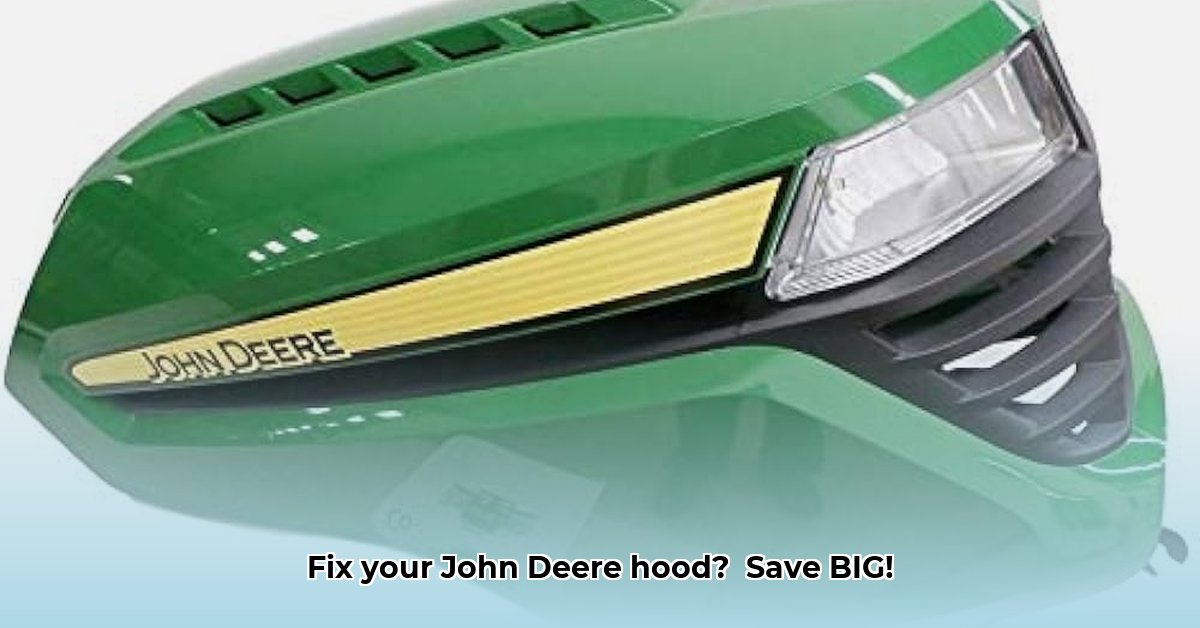
Your John Deere lawn tractor's hood is more than just a cosmetic feature; it's a crucial component protecting your engine from the elements. Proper maintenance and timely repairs can significantly extend its lifespan, saving you money and ensuring your tractor's longevity. This guide provides actionable steps for troubleshooting, maintaining, and repairing your John Deere lawn tractor hood. For additional resources and information on John Deere lawn tractors, check out this helpful site: John Deere Accessories.
Troubleshooting Common John Deere Lawn Tractor Hood Issues
Over time, your lawn tractor's hood will inevitably show signs of wear and tear. Let's address some common problems:
Cracks: These often result from impacts or prolonged sun exposure. Minor cracks can sometimes be repaired; however, significant cracks usually require replacement.
Fading: Sunlight's UV rays gradually fade paint, leading to discoloration. Regular cleaning and a touch-up paint job can restore the hood's appearance. Did you know that a yearly waxing can significantly reduce fading? (Source: 1)
Rust: Rust is a serious issue that can weaken the hood's structure. Early detection is vital. A wire brush, rust converter, and primer are effective for minor rust, but extensive rust necessitates replacement. How much does rust damage cost you each year? The answer varies based on extent but can run into the hundreds of dollars if left unchecked.
Maintaining Your John Deere Lawn Tractor Hood: Preventative Care
Proactive maintenance is key to preventing costly repairs. Follow these steps:
Regular Cleaning: Clean your hood regularly with mild soap and water. Avoid harsh chemicals that can damage the paint. Dry thoroughly to prevent water spots. What's the most effective way to clean your John Deere hood? A soft cloth and gentle scrubbing are best practices.
Lubricate Hinges (if applicable): Keep hinges moving smoothly by applying silicone-based lubricant a couple of times a year. This prevents squeaking and ensures easy hood operation.
Regular Inspections: Regularly inspect your hood (at least twice a year) for cracks, rust, or other damage. Early detection allows for timely and cost-effective repairs.
Repairing Your John Deere Lawn Tractor Hood: Practical Solutions
Many hood issues are manageable with DIY repairs:
Minor Dents: Small dents might be removed using a rubber mallet or suction cup dent puller. For stubborn dents, professional help is recommended.
Small Cracks: Use high-quality automotive filler designed for metal to repair small cracks. Follow the manufacturer's instructions, paying attention to sanding and applying thin coats. What's the success rate of DIY crack repairs? While success varies, minor cracks repaired correctly can last for years with proper preparation.
Rust Repair: Address rust promptly. Wire brush off loose rust, apply a rust converter, then a primer, followed by paint. For extensive rust, replacement is advisable.
Sourcing Parts and Tools for Your John Deere Repair
For replacement parts and necessary tools:
John Deere Dealerships: OEM (Original Equipment Manufacturer) parts guarantee quality and fit, but they tend to be more expensive.
Third-Party Suppliers: These can offer more affordable alternatives, but research the supplier's reputation before purchasing. Don't sacrifice quality to save a few dollars.
Essential Tools: You'll need basic tools like sandpaper (various grits), paintbrushes, a rubber mallet (optional), a suction cup dent puller (optional), and protective gear (safety glasses, work gloves).
Safety Precautions: Working Safely on Your Lawn Tractor
Safety is paramount when working on your lawn tractor. Always follow these steps:
Disconnect the Battery: Disconnect the battery terminals before any repair to prevent electrical shocks.
Protective Gear: Wear safety glasses to safeguard your eyes from flying debris. Use work gloves to protect your hands. A respirator is advisable when working with paints or chemicals.
Ventilation: Work in a well-ventilated area, particularly when using paints, primers, or other chemicals.
Step-by-Step Guide: Touch-Up Paint Repair
Here’s how to perform a touch-up paint repair:
Surface Preparation: Clean the area thoroughly. Remove loose paint, rust, or debris. Lightly sand the area to create a smooth surface for better paint adhesion. What grit sandpaper should you use? Start with a higher grit (e.g., 400) for smoothing and finish with a finer grit (e.g., 1000) for a polished surface.
Primer Application: Apply a thin layer of automotive primer compatible with your hood's material. Let it dry completely.
Paint Application: Apply several thin coats of touch-up paint, allowing each coat to dry before applying the next.
Clear Coat (Optional): Apply a clear coat sealant for extra protection and a glossy finish.
Repair vs. Replacement: Making the Right Choice
Choosing between repair and replacement depends on the extent of damage and your DIY skills.
| Feature | Repair | Replacement |
|---|---|---|
| Cost | Lower | Higher |
| Time Investment | Less | More |
| Skill Level | Varies | Minimal |
| Longevity | Potentially shorter | Longer |
How to Extend John Deere Tractor Lifespan Sustainably: Focusing on Your Lawn Tractor's Hood
Regular maintenance and timely repairs are essential for extending the lifespan of your John Deere lawn tractor. By following the steps in this guide, you can keep your hood in top condition and enjoy your tractor for years to come, saving money and promoting sustainable practices. This minimizes waste and reduces the environmental impact associated with premature equipment replacement.